
Vermont’s Climate Crisis: Lessons from Historic Floods
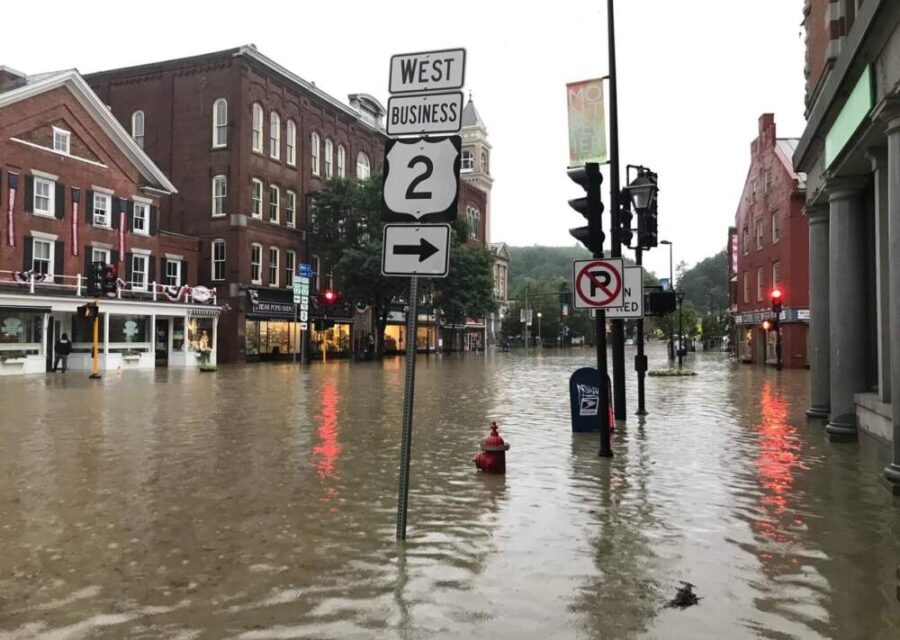
MONTPELIER, VT — The summer storms of 2023 and 2024 have rewritten the script on Vermont’s weather patterns, as unprecedented flooding wreaked havoc across the state. On July 7, 2023, a typical summer storm transformed into a climate disaster, pouring up to nine inches of rain in just 48 hours. Montpelier recorded 5.28 inches, the highest in 75 years, leading to severe infrastructure damage and tragic loss of life. As communities grapple with the aftermath, state officials emphasize the urgent need for climate adaptation strategies.
Key Details:
The flooding impacted thousands of Vermonters and resulted in an estimated $190 million in damages to state infrastructure, including 64 bridges and 180 miles of roads. The deluge destroyed homes, businesses, and recreational areas statewide, while tragically claiming two lives. The situation worsened one year later, as remnants of Hurricane Beryl hit Vermont on July 10, 2024, causing even more localized damage in towns like Plainfield and Lyndonville. Again, two more lives were lost, bringing the human toll to four in just two years.
“Historic storm events in back-to-back years signal a new normal for Vermont,” said Joe Flynn, Vermont Agency of Transportation Secretary. “We must recognize that climate change is rewriting our weather patterns with real consequences.” The storms highlighted vulnerabilities in infrastructure and demonstrated the urgent need for innovative solutions to withstand future climate extremes.
Community Context:
Vermont residents are no strangers to harsh weather, yet the intensity of recent storms has sparked an urgent conversation about resilience and preparedness. The 2023 and 2024 floods have not only caused significant physical damage but have also instilled a sense of urgency among local leaders and residents alike. Communities are coming together to assess vulnerabilities and advocate for infrastructure improvements that can withstand future deluges.
In response to these crises, the Vermont Agency of Transportation (VTrans) and the Agency of Natural Resources (ANR) have ramped up efforts to design and maintain infrastructure with climate resilience in mind. “We’re learning from past events,” said Julie Moore, ANR Secretary. “Our investments since Tropical Storm Irene are paying off, enabling us to build smarter for the climate we’re inheriting.”
The Daily Scout.
Top stories, weather, and what’s on tap statewide — in your inbox by half past six. Free, daily.
Almost there.
Check your inbox to confirm your subscription. The first edition lands tomorrow morning.
Conclusion:
As Vermont faces increasing climate-related challenges, the focus shifts towards future-proofing infrastructure and enhancing community resilience. State officials are committed to implementing design strategies that include larger culverts and more robust bridges to handle extreme weather. The road ahead will require collaboration among engineers, geologists, and local officials to reduce flooding risks effectively.
Vermonters are urged to stay informed about climate initiatives and participate in local discussions regarding infrastructure improvements. For more information on ongoing recovery efforts and future projects, residents can contact the Vermont Agency of Transportation at (802) 828-2640 or visit their website. Together, the community can build a more resilient Vermont, prepared for whatever climate challenges lie ahead.
More Local News coverage
About this report
This story was assembled with AI assistance from public-record sources and reviewed against our editorial standards. Spot something wrong? Request a correction.
The VTScout newsroom covers Vermont local news, public safety, and community life across the four regions of the state. Tips and corrections welcome at [email protected].